A Historic Aiken Guide to a Town That Wears Its Story Well
From the grand Winter Colony era to the wide, tree-lined parkways downtown, this is the historic Aiken guide for anyone who wants to understand why this Southern town feels so beautifully timeless.
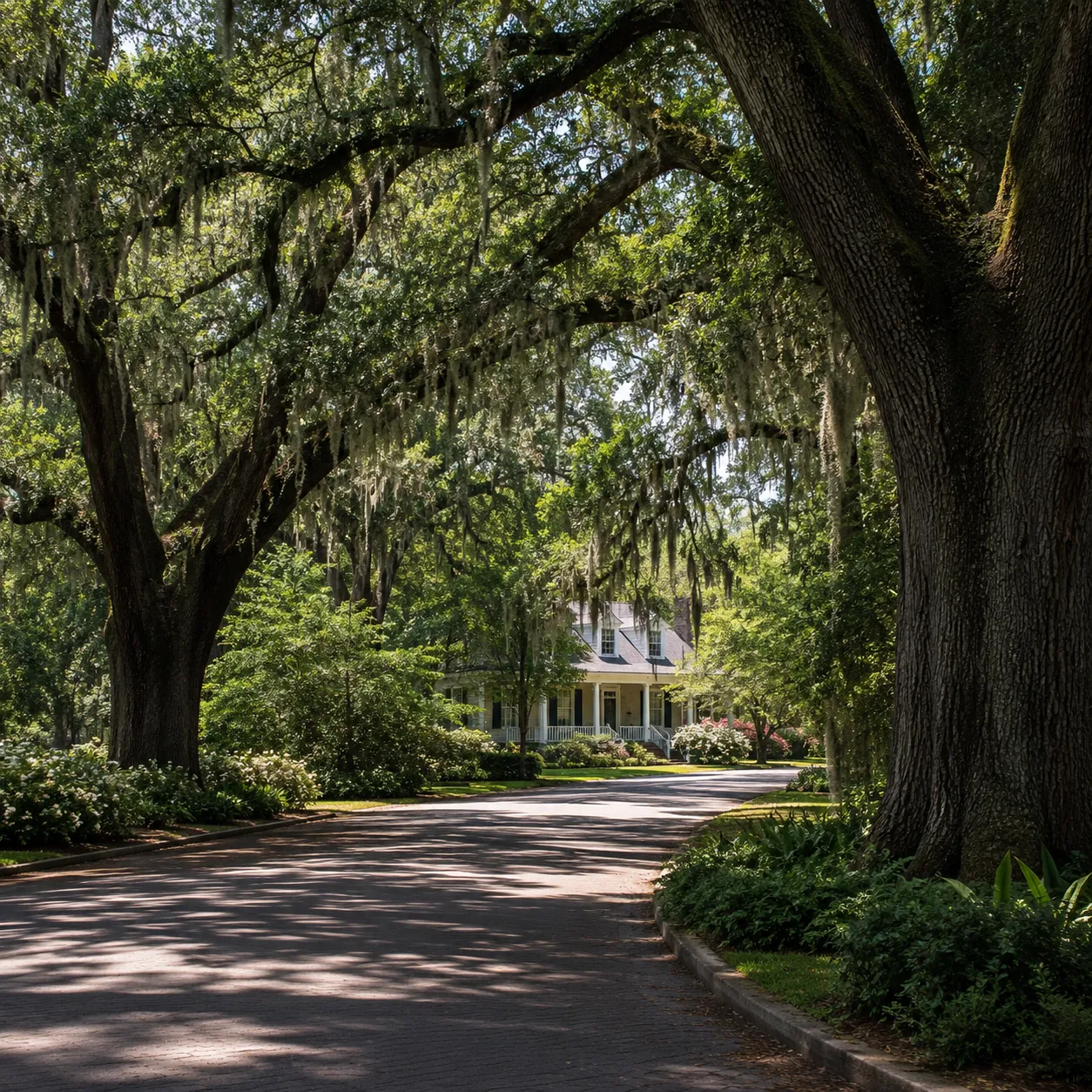
History you don’t just read about — you walk through it
Aiken, South Carolina has a way of slowing you down. Founded in 1835, it was laid out with unusually wide streets and green parkways, and over the generations it became a winter haven for some of the country’s most prominent families. That history never got paved over. It’s still here in the architecture, the canopy of live oaks, the soft dirt riding lanes, and the easy, unhurried pace of downtown — which is exactly what makes a historic Aiken guide feel less like a museum tour and more like a warm welcome.
How wealthy Northern families shaped Aiken’s character
In the late 1800s and early 1900s, families from the Northeast — names like Whitney, Vanderbilt, and Hitchcock — began wintering in Aiken, drawn by the mild climate, the sandy soil that was kind to horses, and the room to ride.
What they built became known as the Winter Colony: grand “cottages” that were really estates, riding rings, training tracks, and an enduring sporting culture of polo, fox hunting, and racing. That era gave Aiken much of the elegant, horse-centered identity it’s still loved for today.
You can feel its legacy in the leafy streets of the historic districts and in the way the whole town still organizes itself around green space, fresh air, and a slower kind of refinement.
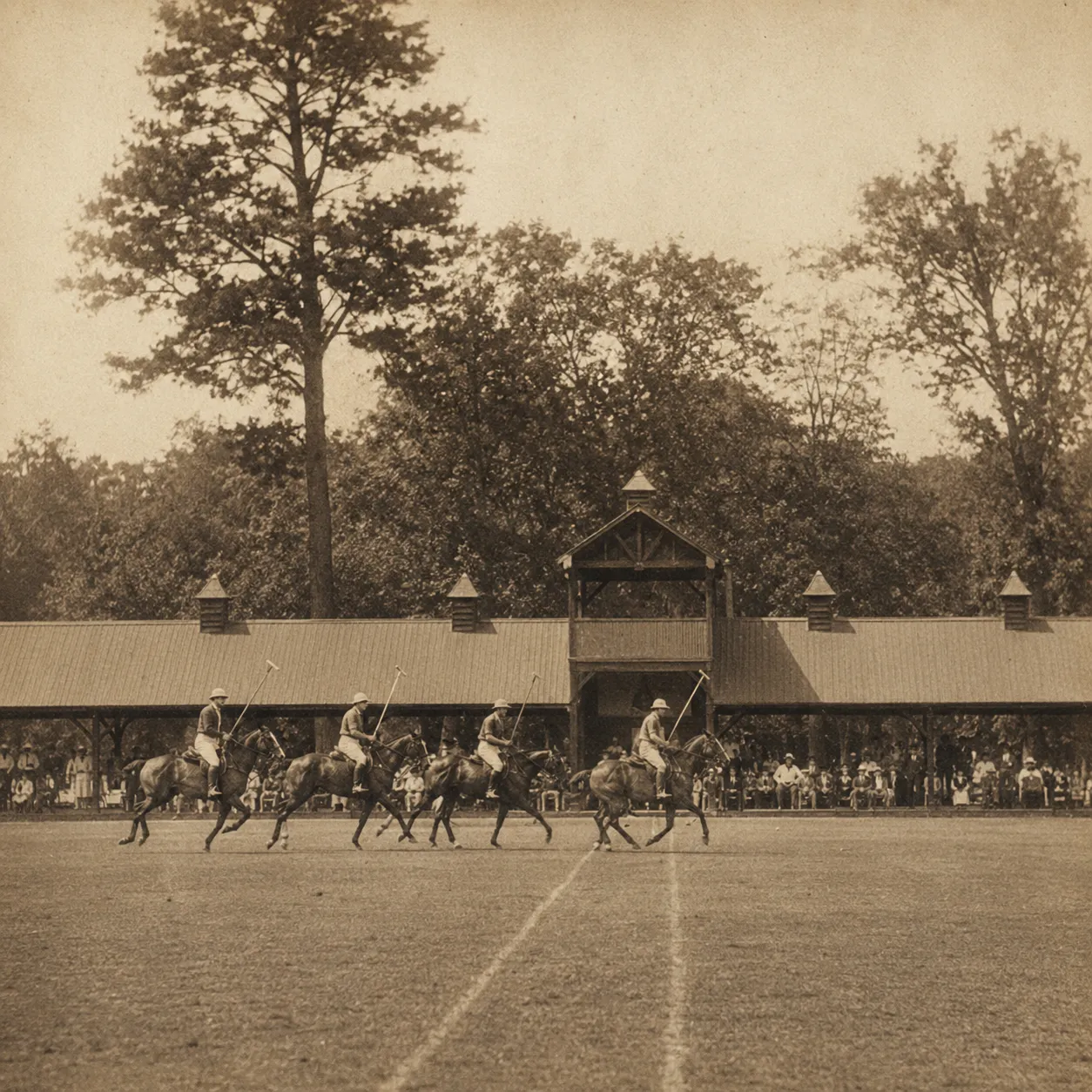
Wide parkways, deep porches, and a canopy of old oaks
One of the first things visitors notice is the scale of Aiken’s streets. Many are remarkably wide, with planted green medians and a tunnel of mature trees overhead that turns an ordinary stroll into something memorable.
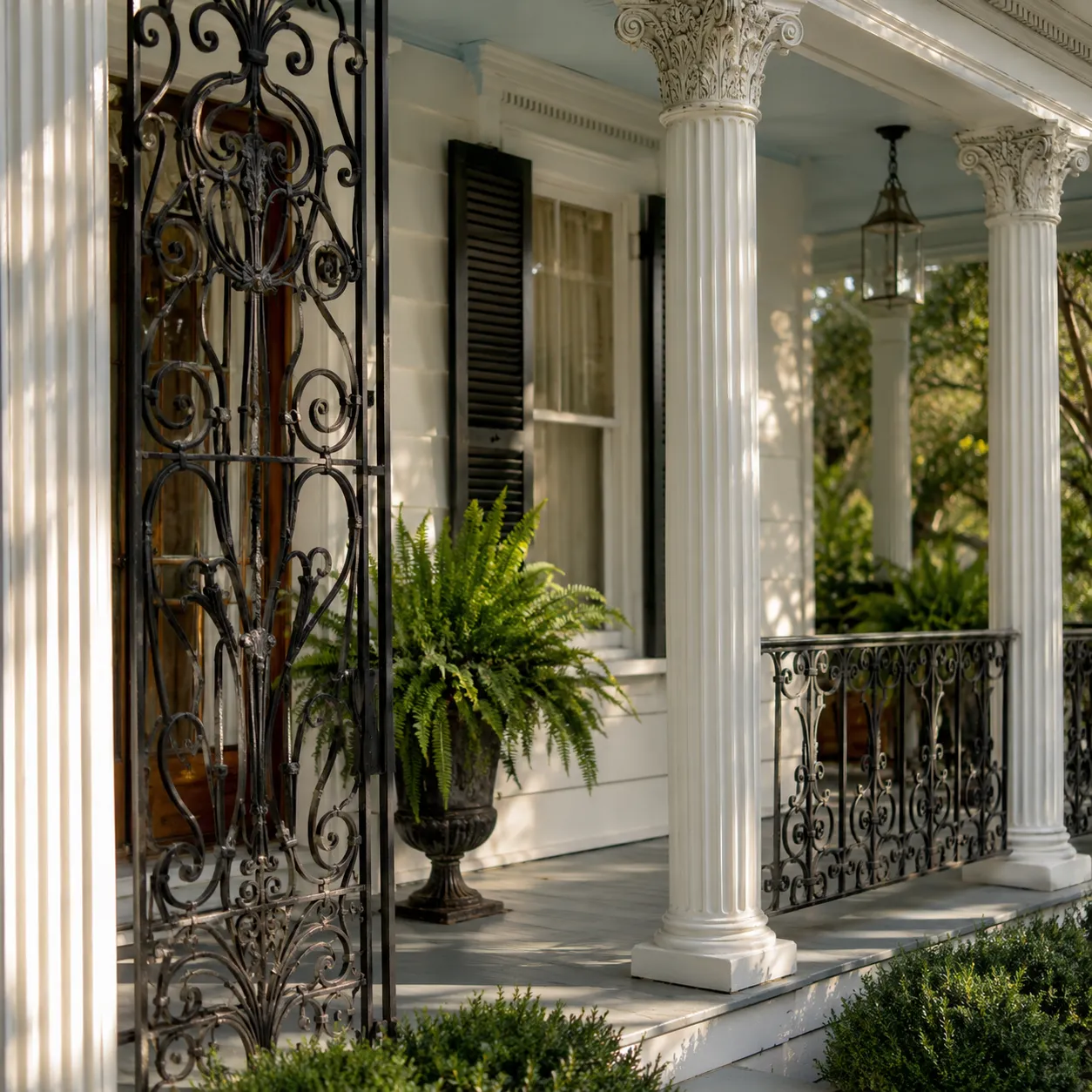
The homes tell their own story — from graceful historic residences with sweeping porches to charming cottages tucked behind garden walls. It’s an architectural mix that feels collected over time rather than built all at once, which is a big part of the appeal for people drawn to historic Southern towns.
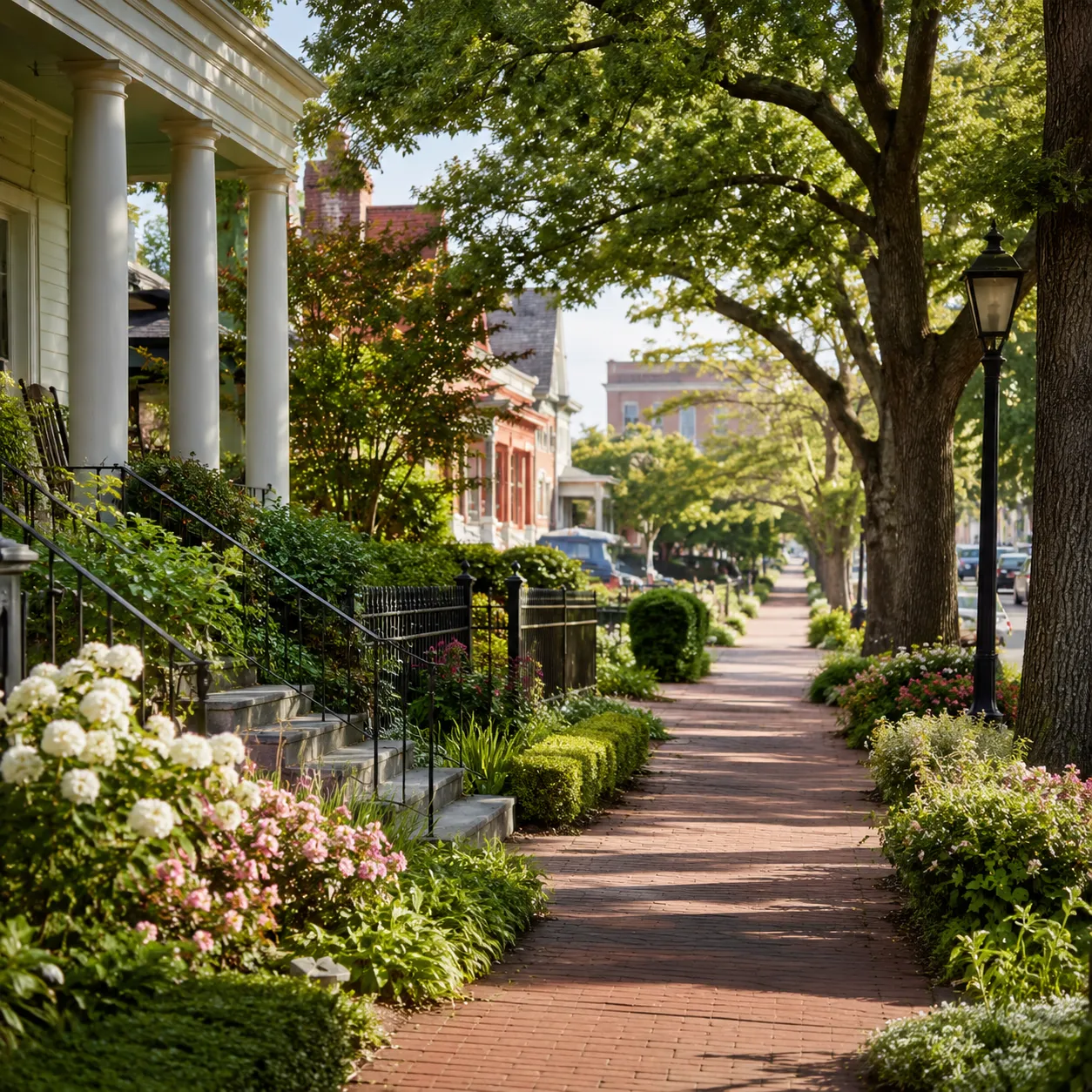
Take your time here. The best way to appreciate historic Aiken is on foot, with no real agenda beyond noticing the details.
Historic landmarks worth seeking out
A handful of stops that bring Aiken’s story to life — perfect for a first visit or a fresh look if you’ve lived here for years.
Hopelands Gardens
A serene former Winter Colony estate with winding paths, reflecting pools, and grand old trees — one of the most beloved peaceful corners of historic Aiken.
Aiken County Historical Museum
Housed in Banksia, a beautiful winter mansion, the museum gathers the artifacts and stories behind the town’s railroad roots and Winter Colony heyday.
The Willcox
A storied grand hotel that has welcomed notable guests for over a century — still a centerpiece of Aiken’s refined, old-world hospitality.
Hitchcock Woods
One of the largest urban forests in the country, laced with sandy trails long used for riding, walking, and quiet escape right at the town’s edge.
The Aiken Training Track & Whitney Field
Cornerstones of Aiken’s long thoroughbred and polo tradition — living reminders of why so many families first put down roots here.
Laurens Street & Historic Downtown
Wide blocks of locally owned shops, cafes, and beautifully kept storefronts — the everyday heart of historic downtown Aiken.
Where historic Aiken charm becomes a way of life
Beyond the landmarks, Aiken’s historic districts are simply lovely places to spend a day. Streets are walkable, gardens are tended with care, and the architecture invites you to slow down and look closer.
For people considering a move, this is often the moment something clicks. The history isn’t just scenery — it shapes the lifestyle: front-porch friendliness, short walks to downtown, and a community that genuinely values its sense of place.
If you’re curious how these historic areas connect to everyday living in Aiken, that’s an easy conversation to have with someone who knows the town well.
Curious what it’s like to live near all this history?
Whether you’re visiting for a weekend, planning a move, or simply falling for Aiken’s timeless charm, I’d be glad to help you get a better feel for the town and the neighborhoods that fit your life.
Historic Aiken, answered
A good historic Aiken guide helps you see past the surface. Aiken’s appeal is in the layers — the 1835 railroad origins, the Winter Colony estates, the wide parkways, and the riding heritage that still shapes the town today. Knowing that story ahead of time turns a simple walk downtown into something far more meaningful.
The Winter Colony refers to the late-1800s and early-1900s era when prominent Northern families spent their winters in Aiken. They were drawn by the mild climate and ideal conditions for horses, and they built grand estates, riding facilities, and a sporting tradition of polo, racing, and fox hunting that still influences Aiken’s identity.
Very much so. Downtown Aiken is built around wide, tree-shaded streets with locally owned shops, restaurants, and cafes. It’s easy and pleasant to explore on foot, which is exactly how most people recommend experiencing the historic core.
A relaxed day might include Hopelands Gardens, the Aiken County Historical Museum, a stroll through historic downtown along Laurens Street, and a quiet walk in Hitchcock Woods. Add a meal or coffee downtown and you’ll have a wonderful feel for the town’s character.
Often, yes. Many people first fall for Aiken’s historic streetscapes, walkability, and slower pace, then realize it’s a place they’d love to live. If that sounds like you, it’s easy to start a friendly conversation about the neighborhoods and lifestyle that might suit you best.